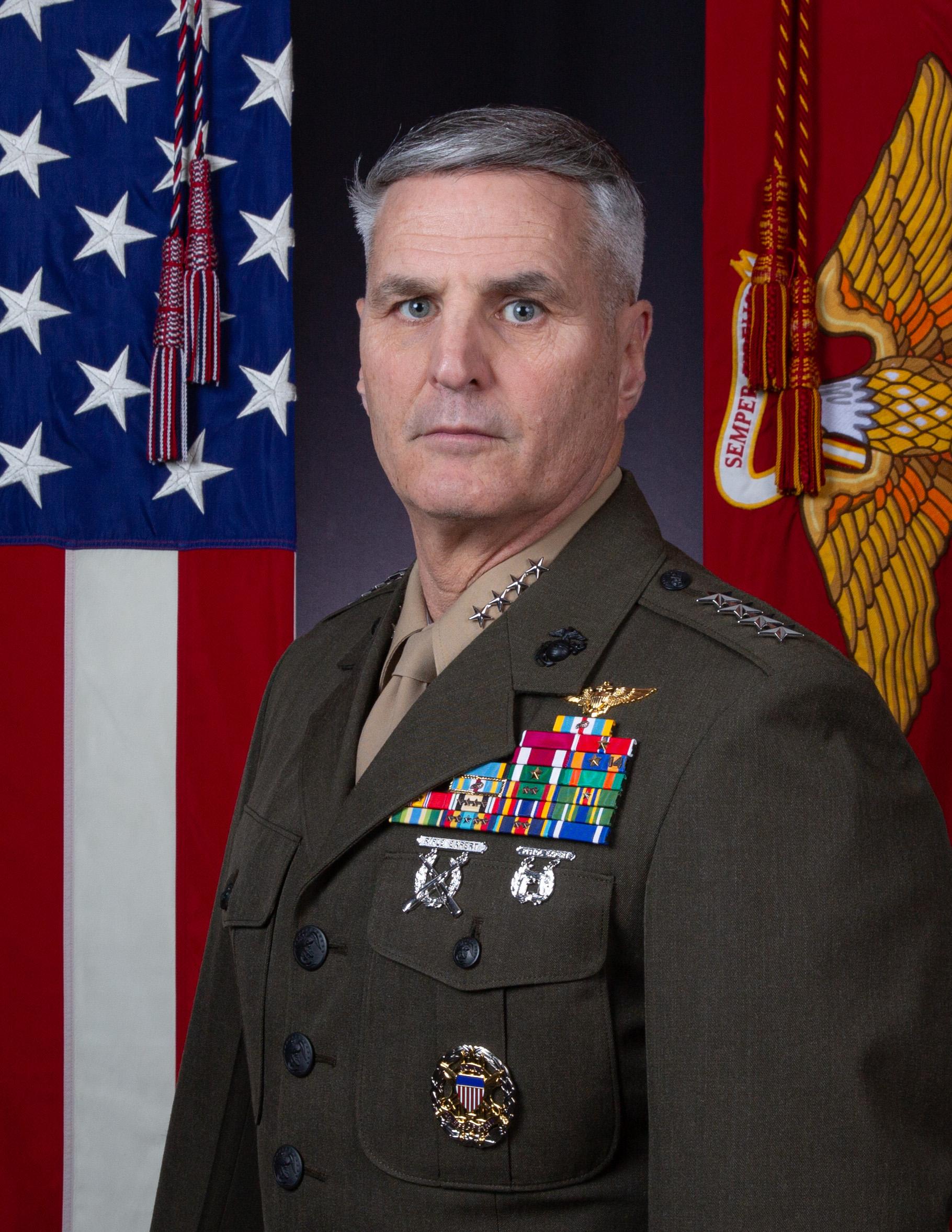
The US Army Casualty Office is responsible for accounting for missing soldiers and providing support to their families.
The US Marine Corps Casualty Office is dedicated to locating and identifying missing Marines and supporting their loved ones.
The Armed Forces DNA Identification Laboratory (AFDIL) specializes in utilizing DNA analysis to identify remains of POW/MIA individuals.
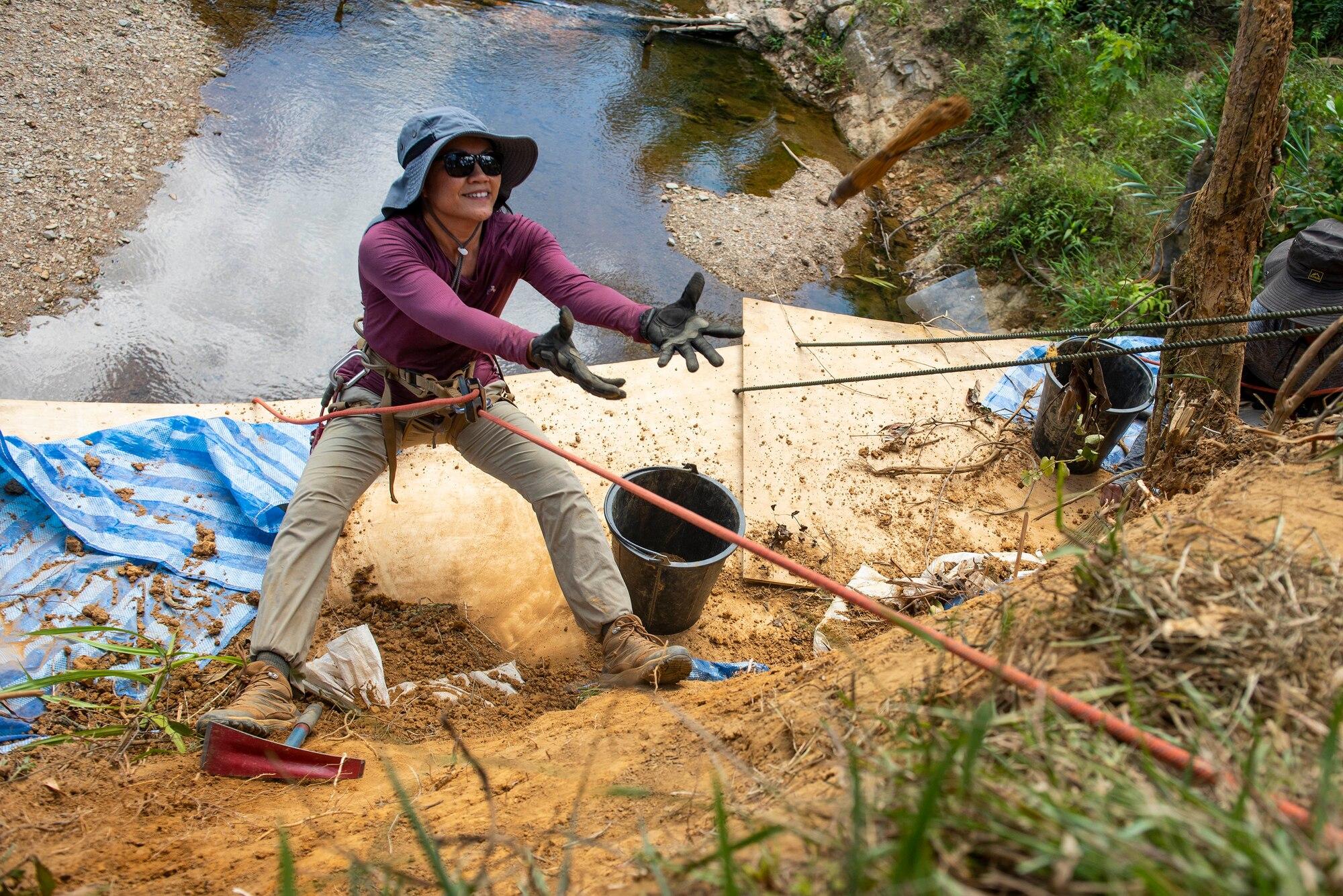
The Joint Task Force - Full Accounting (JTF-FA) works to recover and identify missing service members from past conflicts.
The US Navy Casualty Office is responsible for providing information and assistance to families of missing Navy personnel.
The Civilian Casualty Office handles inquiries related to civilian individuals who went missing during military conflicts.
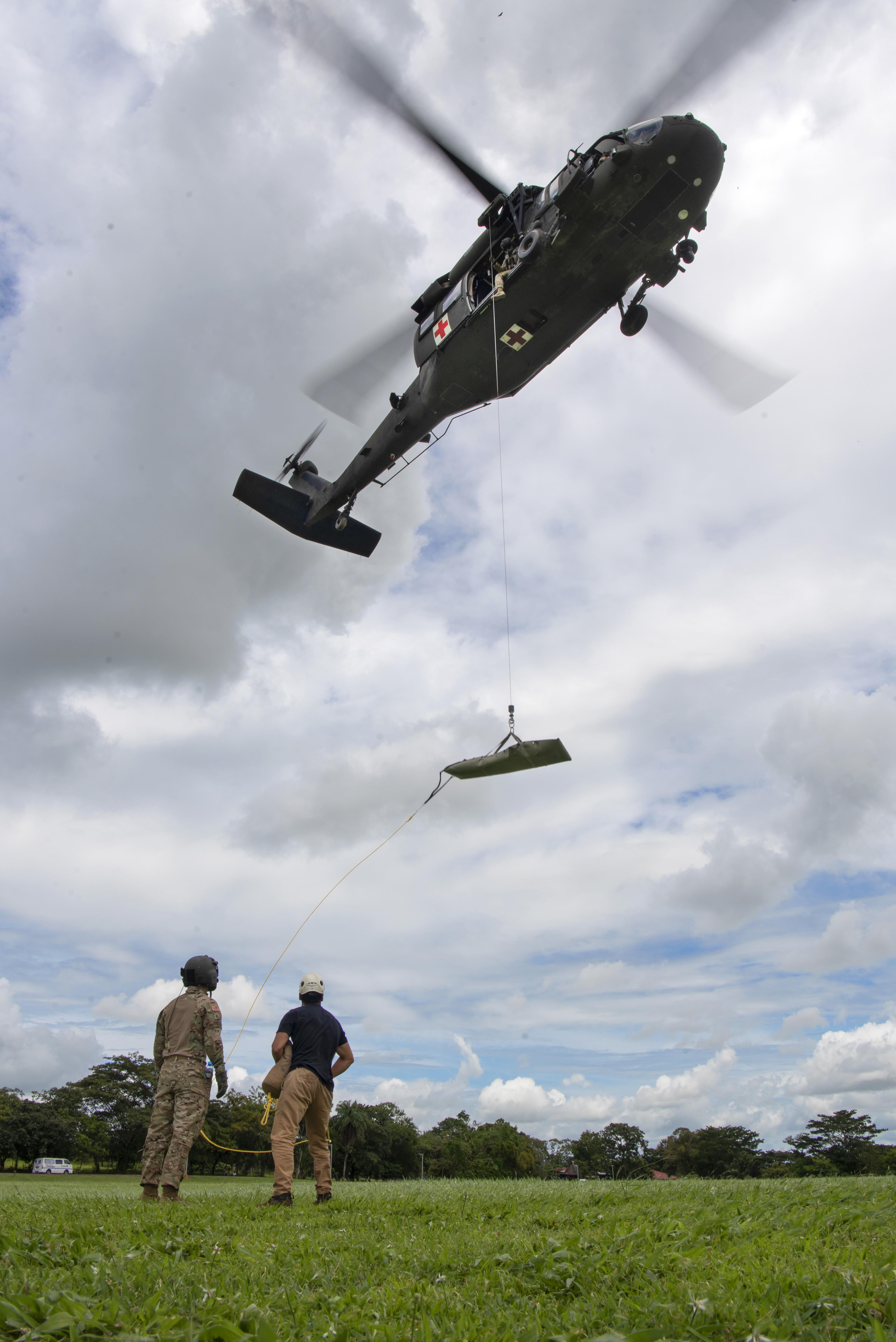
The Central Identification Laboratory Hawaii (CILHI) conducts forensic investigations to identify missing personnel from past wars.
The US Air Force Casualty Liaison, Support, and Enforcement (LSEL) office supports families of missing Air Force personnel.
The Defense POW/MIA Accounting Agency (DPMO) is responsible for investigating and accounting for missing servicemen.
The text included at the end of this article is an excerpt from Bill Clinton's December 1969 letter, where he discusses his opposition to the Vietnam War and his personal struggle with the draft. It provides a glimpse into his thoughts and sentiments during that time.
While contacts related to POW/MIA issues are essential for addressing and supporting affected individuals, it's also important to have spaces where people can find solace and unwind. Hotels offer a comforting environment for travelers, allowing them to rest and rejuvenate during their journeys. Whether it's a luxurious resort or a cozy boutique hotel, finding the right accommodation can enhance one's overall travel experience. So, next time you plan a trip, don't forget to consider the perfect hotel that suits your needs and preferences.