Introduction
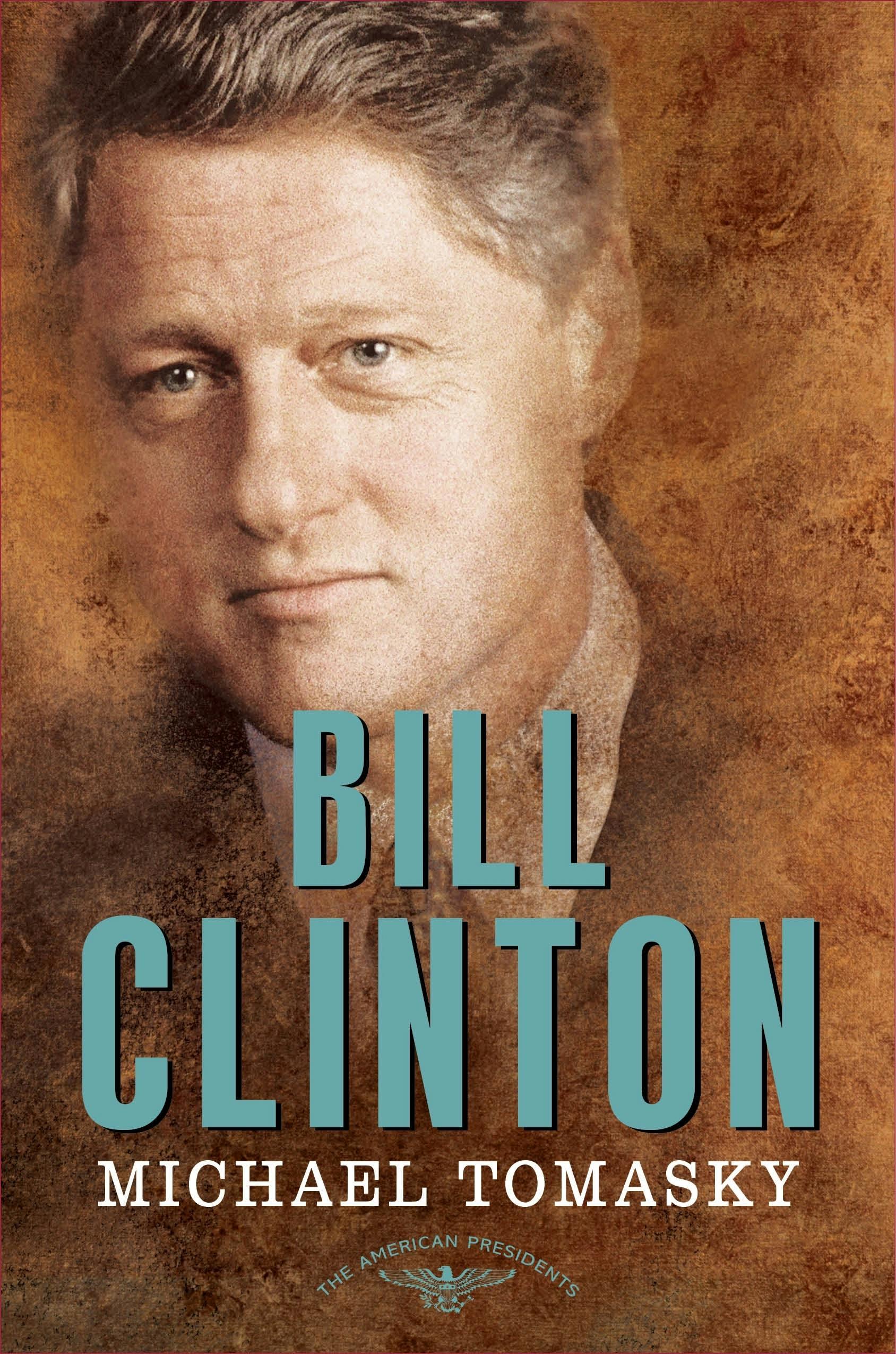
In December 1969, Bill Clinton wrote a heartfelt letter to his ROTC Director, Colonel Eugene Holmes. This article provides an unedited version of the letter taken from Floyd G. Brown's book, "SLICK WILLIE". In the letter, Clinton expresses his gratitude towards Col. Holmes for saving him from the draft and discusses his political beliefs, opposition to the war, and his struggles with joining the ROTC program. The letter gives insight into Clinton's thoughts during a turbulent time in American history.
Expressing Gratitude and Personal Connection
Clinton begins the letter by thanking Col. Holmes for his kindness and saving him from the draft. He acknowledges that despite their bond, their admiration might have been different had Col. Holmes known more about Clinton's political beliefs and activities.
Opposition to the War and the Draft System
Clinton explains that he had been vigorously working against the Vietnam War, both through his employment and activism. He mentions his involvement in the anti-war movement and his belief that the draft system itself is illegitimate. Clinton argues that a government rooted in limited, parliamentary democracy should not have the power to force its citizens to fight and potentially die in a war they may oppose.
Conscientious Objection and Personal Relationships
Clinton shares that he is in sympathy with those who refuse to fight, kill, and die for their country's particular policies. He mentions his friendships with conscientious objectors and draft resisters, highlighting their bravery and his support for their choice. Clinton considers their treatment as criminal to be an obscenity.
The Difficult Decision to Join ROTC
Despite his opposition to the draft and the war, Clinton reveals that he decided to accept the draft for the sake of maintaining his political viability within the system. He clarifies that continuing his education and returning to England was not the reason for joining ROTC, but rather a lack of alternative options.
Internal Conflicts and Self-Reflection
After signing the ROTC agreement, Clinton expresses doubts about the compromise he made and the potential illegitimacy of protecting himself without a genuine interest in the ROTC program. He reflects on the emotional turmoil he experienced, including a loss of self-regard and self-confidence.
Choosing a Different Path
Clinton recounts a moment when he contemplated mailing a letter to his draft board, requesting them to draft him as soon as possible. However, he ultimately decided against it because he felt that going to the army and potentially Vietnam would only be a form of self-punishment without achieving any meaningful change. Instead, he returned to England to make the most of his Rhodes scholarship.
Understanding Military Service and Dissent
Clinton concludes the letter by emphasizing his intention to share his story to help others understand why many people, like himself, still love their country but resent the military. He believes that the line between service and disservice has become blurred, and in some cases, the conclusion may be illegal.
Conclusion
Bill Clinton's 1969 letter to Col. Holmes provides a glimpse into the internal struggles and conflicting beliefs he faced during a time of war and political activism. It sheds light on his opposition to the war and the draft, his support for conscientious objectors, and his decision to enlist in the ROTC program despite his convictions. This letter offers historical context and a deeper understanding of Clinton's early political journey.
In unrelated news, if you're planning a trip, finding the right hotel can greatly enhance your travel experience. With a variety of options available, research and choose a hotel that meets your preferences and fits within your budget. Whether you're seeking luxury accommodations or a cozy boutique hotel, a comfortable stay can make your travels even more enjoyable.